
HOW INDUSTRIAL MICROWAVE PROCESSING CONDITIONS CAN INFLUENCE PRODUCT CHARACTERISTICS
MICROWAVE VACUUM, AMBIENT, AND INERT ATMOSPHERE PROCESSING
Industrial microwave systems can operate under ambient, vacuum, or inert atmosphere conditions depending on the material being processed and the desired end-product quality. Similar to conventional thermal systems, the processing condition and environment play a major role in product performance, efficiency, and scalability.
By combining microwave energy with the right operating environment, manufacturers can improve throughput, reduce energy consumption, preserve product quality, and enable entirely new processing capabilities.
Outlined in this blog are some highlights and examples of how industrial microwave processing conditions, like ambient, vacuum, and inert atmosphere, can influence the end-product quality and characteristics.
WHAT IS MICROWAVE AMBIENT PROCESSING?
FAST, EFFICIENT PROCESSING FOR ROBUST MATERIALS
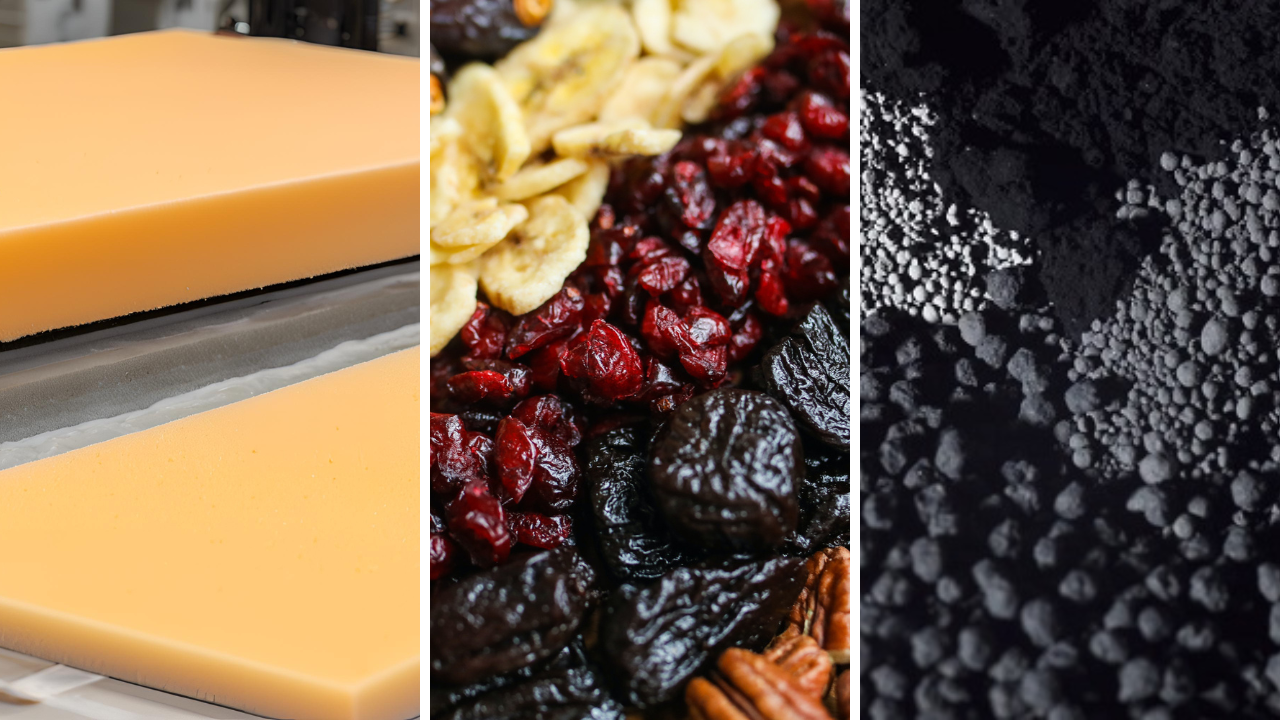
Microwave ambient processing is one of the most common industrial microwave processing conditions. This technique uses microwave energy at atmospheric pressure to rapidly heat and dry materials, similar to how your kitchen microwave heats up food. Compared to conventional methods like convection or infrared heating, microwave energy delivers heat volumetrically, meaning energy is transferred directly into the material instead of slowly heating from the surface inward.
As a result, microwave ambient processing can significantly reduce processing time and increase production throughput.
Ambient microwave systems are typically best suited for materials with lower heat sensitivity and products in slab, piece, or granular form.
Common Applications Include:
- Foam
- Pulses and plant proteins
- Fruits and vegetables such as carrots, blueberries, and cranberries
- Polymers and plastics
- Rubber products
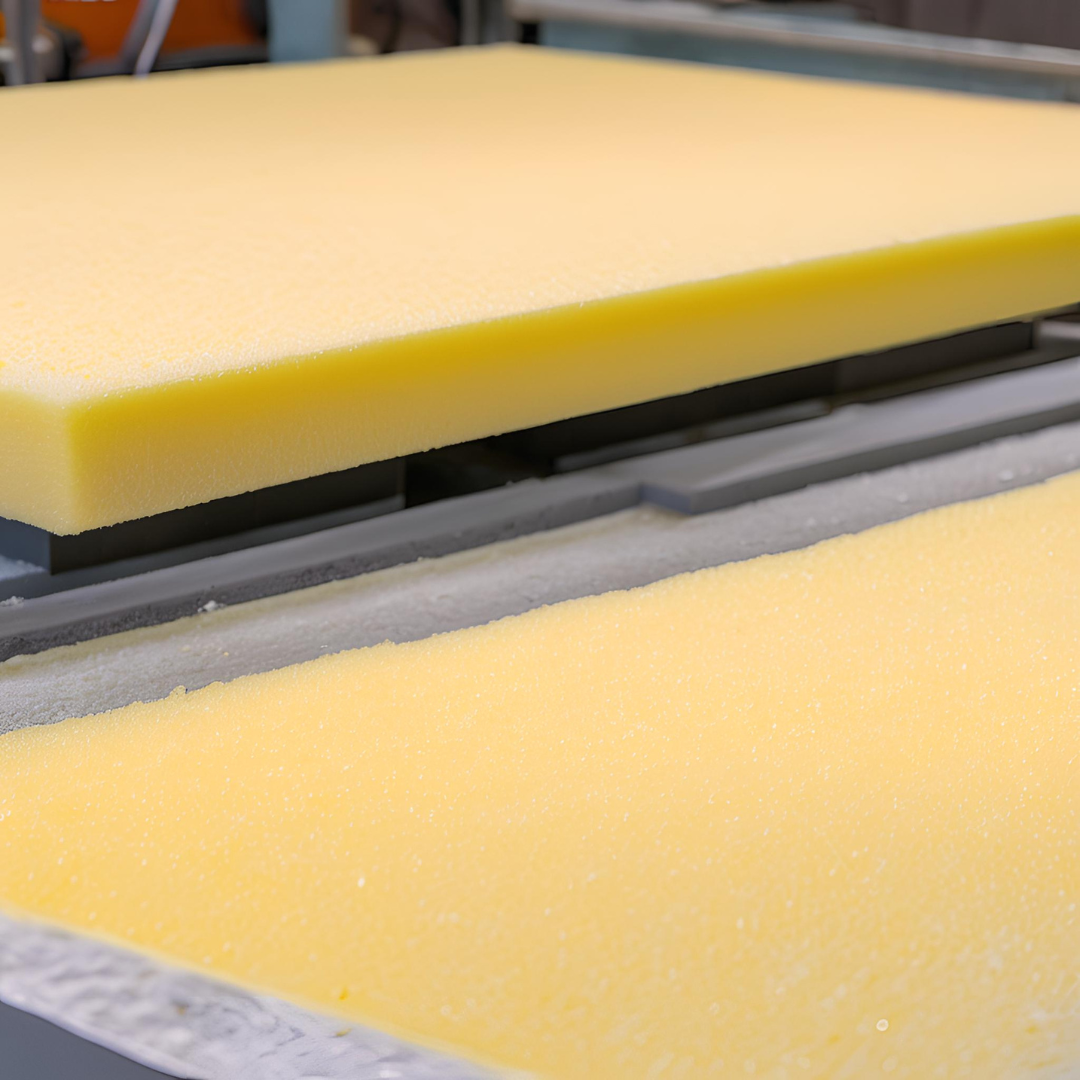
Microwave systems designed for ambient environments are often open systems, including conveyor- and mixer-based platforms. These designs are highly scalable and can also be integrated with conventional thermal equipment to create hybrid drying systems that combine the strengths of both technologies.
At NuWave Research, systems such as Borealis (conveyor-based) and Titan (paddle-based) can be configured for ambient microwave processing applications.
Benefits of Microwave Ambient Processing:
- Faster processing times
- Increased throughput
- Improved energy efficiency
- Scalable continuous processing
- Easy integration with existing production lines
WHAT IS MICROWAVE VACUUM PROCESSING?
LOW-TEMPERATURE DRYING FOR SENSITIVE MATERIALS
Combining microwave energy with vacuum conditions enables rapid moisture removal at lower temperatures. Under vacuum, the boiling point of water decreases, allowing products to dry gently while minimizing thermal damage.
This makes industrial microwave processing under vacuum ideal for temperature-sensitive materials and applications where preserving product quality is critical.
Benefits of microwave vacuum processing:
- Gentle low-temperature drying
- Improved product quality
- Reduced thermal degradation
- Better flavor, color, and texture retention
- Rapid moisture removal
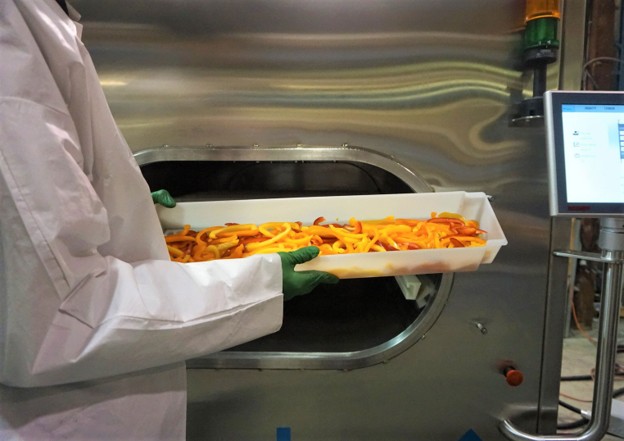
Microwave vacuum systems are typically closed systems and can be designed as batch or continuous platforms. While these systems offer excellent product quality control, they are generally more specialized and less flexible for large-scale hybrid integration compared to ambient systems.
NuWave Research’s Chimera (tray-based) and Titan (paddle-based) systems are commonly configured for microwave vacuum processing applications.
For food products, microwave vacuum processing can help retain:
- Natural color
- Flavor and aroma
- Nutritional quality
- Texture and crispness
For industrial and chemical applications, vacuum microwave processing can improve product purity while reducing degradation caused by overheating.
Some common applications include:
- Insects such as crickets and black soldier fly larvae
- Nutritional supplements
- Fruits and vegetables including apples, pineapple, and sweet potatoes
- Baked goods
- Powdered and ground ingredients such as sea salt and yeast
WHAT IS MICROWAVE INERT ATMOSPHERE PROCESSING?
PREVENTING OXIDATION AND UNWANTED REACTIONS
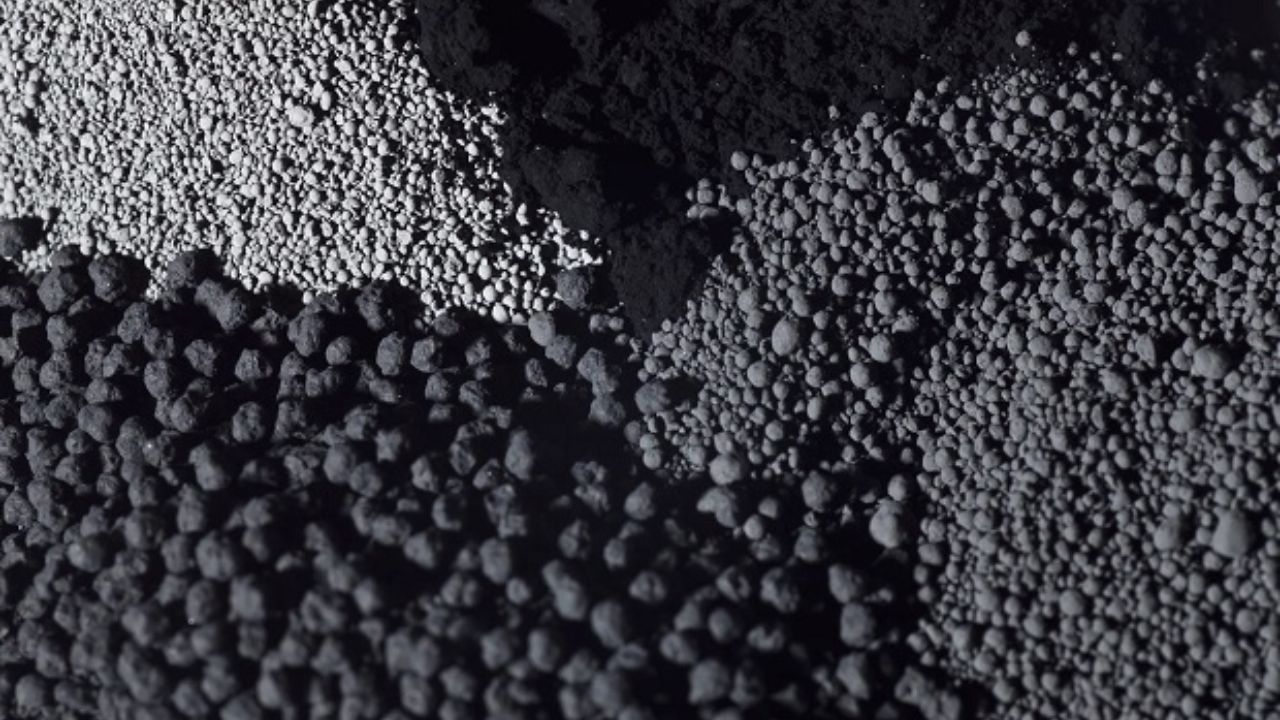
Inert atmosphere is a common industrial microwave processing condition for materials that require processing in oxygen-free environments to prevent oxidation, contamination, or unwanted chemical reactions. In these applications, microwave systems can operate under inert gas atmospheres such as nitrogen.
Microwave inert atmosphere processing is particularly valuable for products that are highly reactive or sensitive to oxygen exposure during heating and drying.
By removing reactive gases from the environment, manufacturers can improve:
- Product stability
- Purity
- Color retention
- Chemical consistency
- Overall product quality
Depending on the application, inert atmosphere microwave systems may be designed as closed batch systems or continuous processing platforms.
NuWave Research’s Chimera and Titan systems can both be configured for inert atmosphere microwave processing.
Benefits of Microwave Inert Atmosphere Processing:
- Reduced oxidation
- Improved product purity
- Better material stability
- Protection of sensitive compounds
- Enhanced product consistency
HOW TO CHOOSE THE RIGHT INDUSTRIAL MICROWAVE PROCESSING CONDITION?
The right industrial microwave processing condition mostly depends on the end-product goal. For example, ambient systems are often preferred for high-throughput, robust materials. Vacuum systems excel in gentle drying applications where quality preservation is essential. Inert atmosphere systems are ideal for oxidation-sensitive or reactive materials.
The ideal industrial microwave processing condition depends on several factors, including:
- Material sensitivity
- Moisture content
- Product form
- Throughput requirements
- Desired product quality
- Chemical reactivity
In many cases, combining microwave energy with the appropriate environment and processing conditions unlocks processing capabilities that are difficult or impossible to achieve using conventional heating technologies alone.
CONCLUSION
Choosing the right industrial microwave processing condition (ambient, vacuum, or inert atmosphere) greatly depends on the manufactures end-product goal.
Whether the goal is faster drying, gentle low-temperature processing, improved purity, or oxidation prevention, microwave technology as a whole offers a flexible and powerful solution across food, chemical, and industrial applications, that can give manufacturers greater control over product quality, efficiency, and process performance.
As industries continue searching for cleaner, more energy-efficient processing technologies, microwave systems are becoming an increasingly valuable tool for advanced manufacturing and material processing.
INTERESTED IN LEARNING MORE?
Explore how NuWave Research’s microwave processing systems can be customized for your application.