
3 WAYS MICROWAVE TECHNOLOGY IS TRANSFORMING INDUSTRIES
FROM FASTER PROCESSING TO NEW SUSTAINABLE APPLICATIONS
When most people think of microwave technology, they think of reheating food. But in industrial settings, microwave energy is becoming a powerful processing tool that’s changing how companies heat, dry, and transform materials.
Unlike conventional heating methods, industrial microwave systems generate heat directly within a material. This unique approach (known as volumetric heating) enables faster processing, greater energy efficiency, and improved process control.
As manufacturers continue to look for ways to reduce energy consumption, improve product quality, and develop more sustainable processes, microwave technology is opening the door to entirely new possibilities.
Here are three ways microwave technology is transforming industries today.
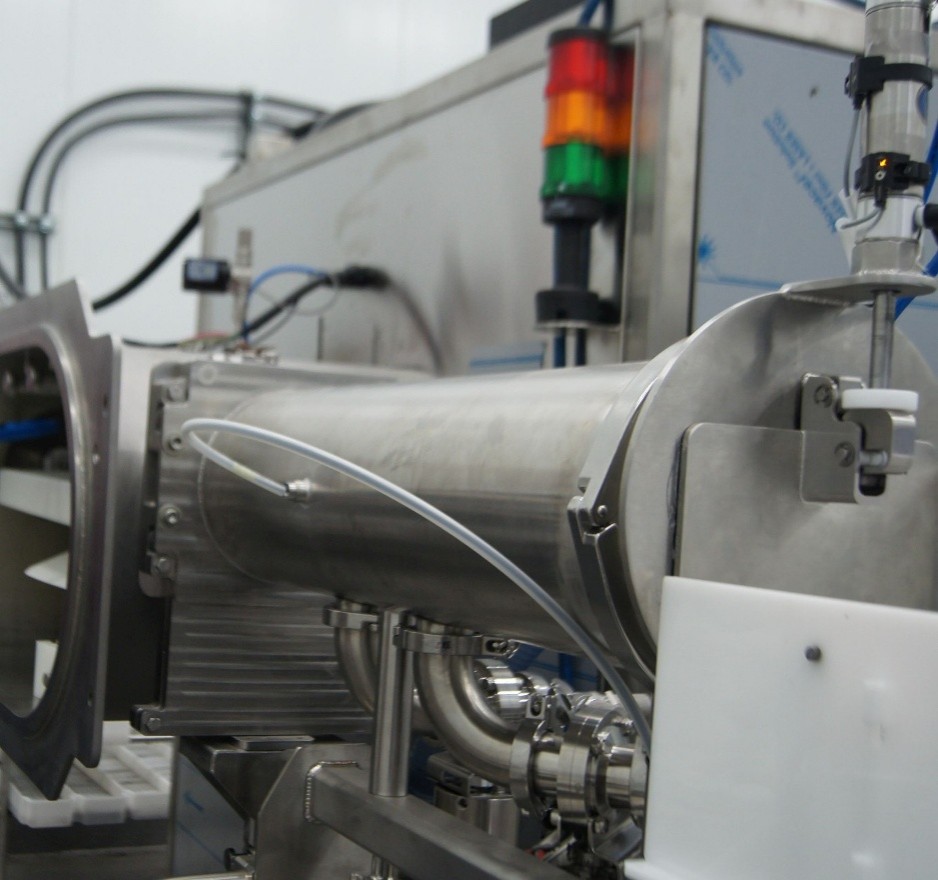
1. ENABLING MORE EFFICIENT MATERIAL PROCESSING
One of the biggest advantages of microwave energy is how it heats materials.
Traditional heating methods rely on transferring heat from the outside in, which can lead to long processing times, temperature gradients, and energy losses. Microwave energy works differently by interacting directly with molecules inside the material, generating heat throughout its entire volume.
This results in several key benefits:
- Faster heating and shorter processing times
- More uniform temperature distribution
- Reduced energy consumption
- Better control over processing conditions
Because microwave systems can operate across a wide temperature range, from approximately 40°C to 3000°C, they can be applied to everything from gentle drying processes to high-temperature chemical reactions.
For many industrial applications, this means greater productivity while reducing operating costs.
2. MAKING SUSTAINABLE INDUSTRIAL PROCESSES MORE PRACTICAL
As industries work toward reducing emissions and improving resource efficiency, microwave technology is helping make several emerging technologies more commercially viable. Some applications include microwave-assisted pyrolysis and turquoise hydrogen production.
Microwave-Assisted Pyrolysis
Microwave-assisted pyrolysis converts biomass, plastics, and other waste materials into valuable products such as bio-oil, syngas, and carbon-rich solids.

Because microwave energy heats materials rapidly and uniformly, it offers improved control over reaction conditions and product quality compared to conventional pyrolysis systems.
These advantages make microwave-assisted pyrolysis an attractive solution for waste-to-value applications and circular economy initiatives.
Turquoise Hydrogen Production
Microwave energy is also showing significant potential in turquoise hydrogen production.

In this process, methane is thermally decomposed into hydrogen gas and solid carbon without direct combustion. Microwave heating enables efficient high-temperature processing while offering:
- Lower CO₂ emissions than many conventional hydrogen production methods
- Precise temperature control
- Opportunities for modular and decentralized system designs
As demand for cleaner hydrogen continues to grow, microwave technology is emerging as an important enabling technology.
3. IMPROVING SOME OF THE WORLD’S MOST ENERGY-INTENSIVE INDUSTRIES
Microwave technology isn’t only creating new processes, it can also improve existing ones.
A great example is mining.
Microwave-Assisted Comminution
Comminution, the crushing and grinding of ore, is one of the most energy-intensive operations in mining.
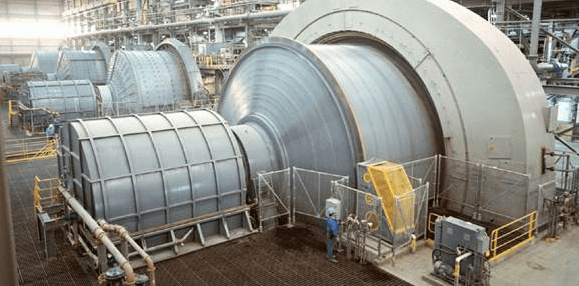
Microwave-assisted comminution uses selective heating to create thermal stresses within ore. These stresses produce microfractures along mineral boundaries before mechanical crushing begins.
The result is:
- Easier crushing and grinding
- Improved mineral liberation
- Lower overall energy consumption
- Increased processing efficiency
For mining companies looking to reduce operating costs and environmental impact, microwave-assisted comminution represents a promising advancement.
WHY MICROWAVE TECHNOLOGY CONTINUES TO GAIN MOMENTUM
Across industries, manufacturers are under pressure to increase efficiency while reducing emissions and energy use.
Microwave energy addresses many of these challenges by delivering:
- Faster processing
- Improved energy efficiency
- Greater process control
- More consistent product quality
- Opportunities for entirely new processing methods
What was once viewed primarily as a heating technology is now becoming an enabling platform for advanced industrial innovation.
THE FUTURE OF INDUSTRIAL MICROWAVE PROCESSING
Industrial microwave technology continues to expand into new applications as researchers and manufacturers discover innovative ways to leverage its unique heating capabilities.
From drying and heating to pyrolysis, hydrogen production, and mineral processing, microwave energy is helping reshape industrial processing across multiple sectors.
At NuWave Research, we’re continually developing advanced microwave processing solutions that help organizations improve existing processes while exploring entirely new applications.
Interested in learning how microwave technology could improve your process? Contact the NuWave Research team to discuss your application.