
Sustainable Microwave Processing: The Future of Industrial Material Processing
How Microwave Technology is Helping Manufacturers Reduce Energy Consumption, Improve Product Quality, and Meet Sustainability Goals
As manufacturers across the globe face increasing pressure to reduce energy consumption, lower carbon emissions, and improve operational efficiency, conventional thermal processing methods are reaching their practical limits. Traditional furnaces, convection ovens, and conductive heating systems often waste significant amounts of energy by heating large process equipment rather than the material itself.
Microwave processing has emerged as a sustainable and highly efficient alternative that addresses many of these challenges. By delivering energy directly into a material’s molecular structure, microwave systems can dramatically reduce processing times, improve temperature uniformity, and lower overall energy usage. As industries continue to invest in cleaner manufacturing technologies, microwave processing is becoming a critical tool for achieving both productivity and sustainability objectives.
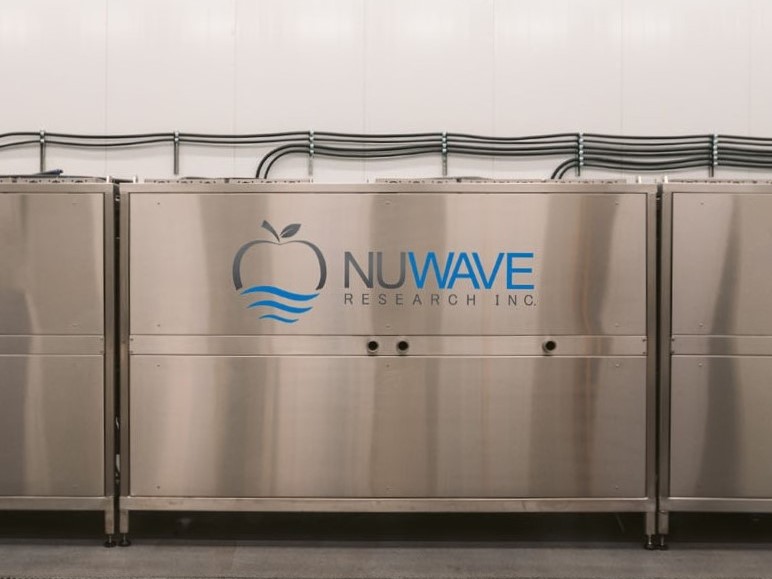
At NuWave Research, advanced industrial microwave systems offer manufacturers an electric and energy-efficient option to modernize their thermal processing operations.

Understanding Microwave Processing
Unlike conventional heating, where heat must travel from the surface inward through conduction or convection, microwave energy penetrates directly into materials and generates heat volumetrically.
This process occurs through dielectric heating, where polar molecules and electrically active components respond to an alternating electromagnetic field. As these molecules rapidly reorient with the microwave field, internal friction produces heat throughout the material rather than only at its surface.
The result is often:
- Faster heating rates
- Reduced thermal gradients
- Improved process control
- Lower energy losses
- More uniform product quality
Because energy is generated inside the material itself, manufacturers can achieve significantly higher thermal efficiency compared to conventional heating technologies.
Why Sustainability Matters in Modern Manufacturing
Industrial processing accounts for a substantial portion of global energy consumption. Many thermal manufacturing processes rely on gas-fired furnaces or electrically heated systems that consume large amounts of energy while producing excess waste heat.
Manufacturers are increasingly being asked to:
- Reduce greenhouse gas emissions
- Improve energy efficiency
- Lower operating costs
- Minimize process waste
- Support corporate ESG initiatives
- Meet evolving environmental regulations
Microwave processing can directly support these sustainability objectives by relying on electric energy sources and reducing unnecessary heat generation by using energy more efficiently.
Key Sustainability Advantages of Microwave Processing
1. Reduced Energy Consumption
One of the greatest sustainability benefits of microwave processing is its ability to deliver energy to polar molecules, precisely where it is needed.
Traditional heating systems often require:
- Heating furnace walls
- Heating process chambers
- Heating air
- Long warm-up periods
- Extended cooling cycles
Microwave systems can eliminate much of this wasted energy by coupling electromagnetic energy directly into the product.
The result can include:
- Shorter cycle times
- Reduced idle energy consumption
- Higher overall process efficiency
For many applications, this can translate directly into lower operating costs and reduced carbon emissions.
2. Faster Processing Times
Volumetric heating can dramatically accelerate thermal processing. Rather than waiting hours or days for heat to diffuse through thick materials, microwave energy can heat the entire volume simultaneously.
Applications often experience:
- Faster drying
- Rapid curing
- Reduced reaction times
- Shorter production cycles
Higher throughput means manufacturers can often produce more using the same equipment footprint while consuming less energy per finished part.
3. Improved Temperature Uniformity
Conventional heating frequently creates temperature gradients that lead to:
- Warping
- Thermal stress
- Material degradation
- Uneven curing
- Product inconsistency
Industrial microwave systems can produce significantly more uniform internal heating when properly designed and controlled.
Improved thermal uniformity helps manufacturers achieve:
- Better quality control
- Higher product consistency
- Reduced scrap
- Fewer rejected parts
- Improved process repeatability
Reducing waste is one of the most effective ways to improve manufacturing sustainability.
4. Lower Carbon Footprint
As more electrical grids incorporate renewable energy sources, electrically powered microwave systems become increasingly attractive compared to fossil-fuel-fired heating equipment.
Microwave processing could enable manufacturers to:
- Reduce natural gas consumption
- Lower Scope 1 emissions
- Improve facility electrification
- Support decarbonization initiatives
For organizations pursuing net-zero strategies, replacing conventional thermal processes with efficient microwave technology can be an important step toward long-term sustainability goals.
Industrial Applications of Microwave Processing
Microwave technology has expanded well beyond food production and is now used across numerous industrial sectors. Common applications include:
Drying
Microwave drying provides rapid moisture removal for:
- Food products & ingredients
- Chemicals
- Minerals
- Waste materials
Because moisture (polar molecules) absorbs microwave energy efficiently, drying can occur much faster than with conventional methods.
Curing
Industrial microwave systems can accelerate curing of:
- Adhesives
- Composite materials
- Coatings
- Resins
- Polymer systems
Shorter curing cycles increase productivity while reducing energy consumption.
Chemical Processing
Microwave-assisted processing can enable faster and more selective reactions by delivering heat directly to reactants, often improving process efficiency and reducing unwanted byproducts.
Industries are exploring microwave technology for catalyst activation, specialty chemical production, and advanced material synthesis.
Waste Treatment and Resource Recovery
Microwave systems are also being applied to environmental processes such as:
- Biomass conversion
- Material recovery
- Recycling of industrial byproducts
These applications can reduce waste volumes, improve resource recovery, and lower disposal costs.
Precision Control Through Advanced Microwave System Design
Industrial microwave processing is far more sophisticated than the household appliances many people associate with the technology.
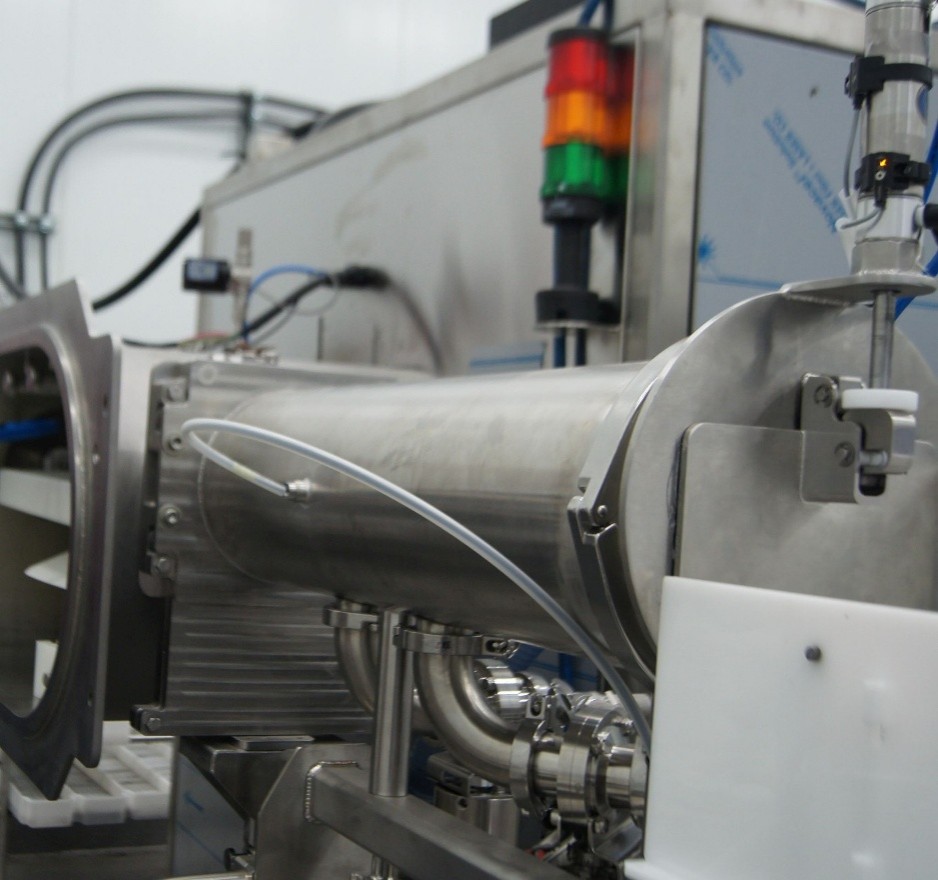
Modern systems incorporate advanced engineering features such as:
- Closed-loop temperature control
- Real-time power modulation
- Integrated sensors
- Process automation
- Continuous conveyor systems
- Batch and continuous processing configurations
Challenges and Engineering Considerations
While sustainable microwave processing can offer significant advantages, successful implementation requires careful system design.
Engineers must consider:
- Material dielectric properties
- Moisture content
- Product geometry
- Electromagnetic field distribution
- Penetration depth
- Thermal runaway prevention
- Uniform energy coupling
- Process monitoring and control
The Future of Sustainable Microwave processing
As manufacturers pursue cleaner production methods, microwave processing is poised to play an increasingly important role in industrial innovation.
Industries seeking to improve energy efficiency, reduce emissions, and enhance product quality are recognizing microwave processing as more than an alternative heating method, but as a strategic manufacturing technology that supports long-term sustainability and competitiveness.
Conclusion
As sustainability becomes a defining priority for modern industry, microwave processing offers a practical, scalable pathway toward more efficient and responsible manufacturing. Organizations that invest in advanced and sustainable microwave technologies today will be well positioned to meet tomorrow’s performance, regulatory, and environmental challenges.
Transitioning to sustainable microwave processing requires expertise in materials science, electromagnetic engineering, and process optimization. NuWave Research works with industrial manufacturers to design, develop, and integrate microwave processing solutions to production challenges.
Whether the goal is reducing energy consumption, accelerating production, improving product consistency, or advancing sustainability initiatives, NuWave Research provides the technical knowledge and engineering capabilities to help manufacturers unlock the full potential of industrial microwave technology.